
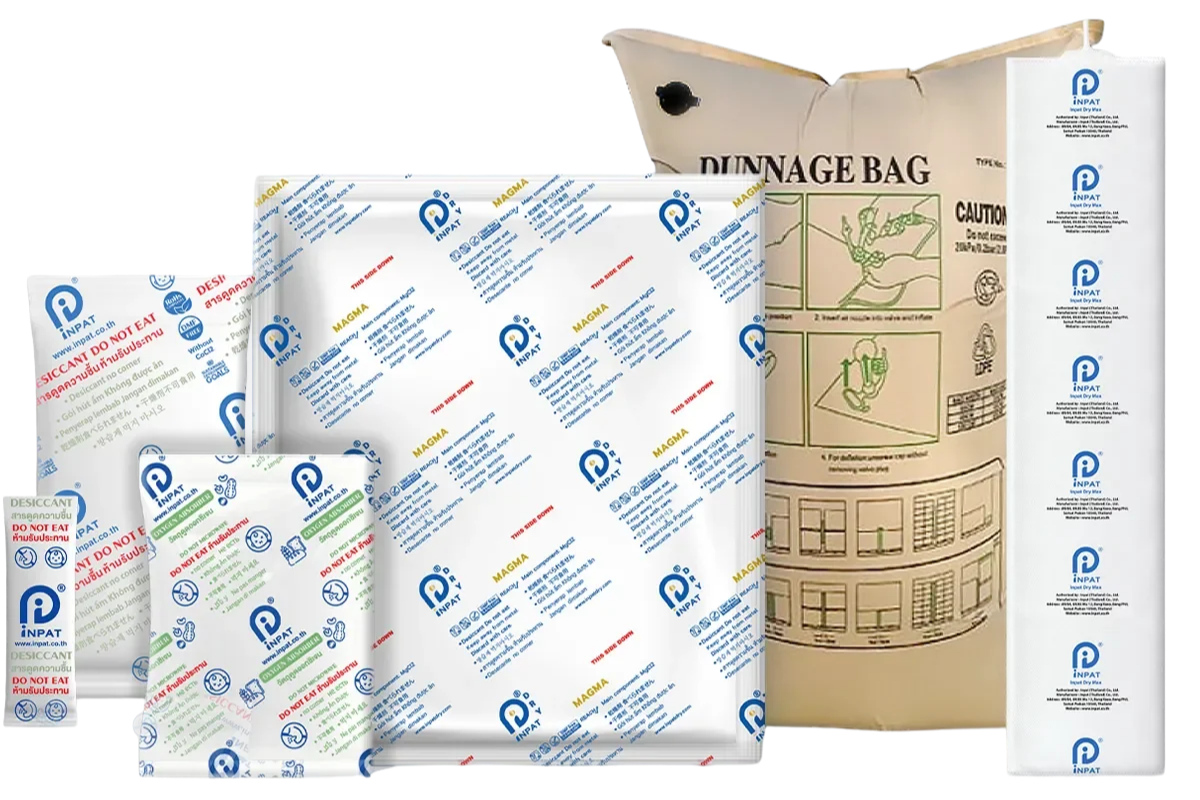
What is container rain?
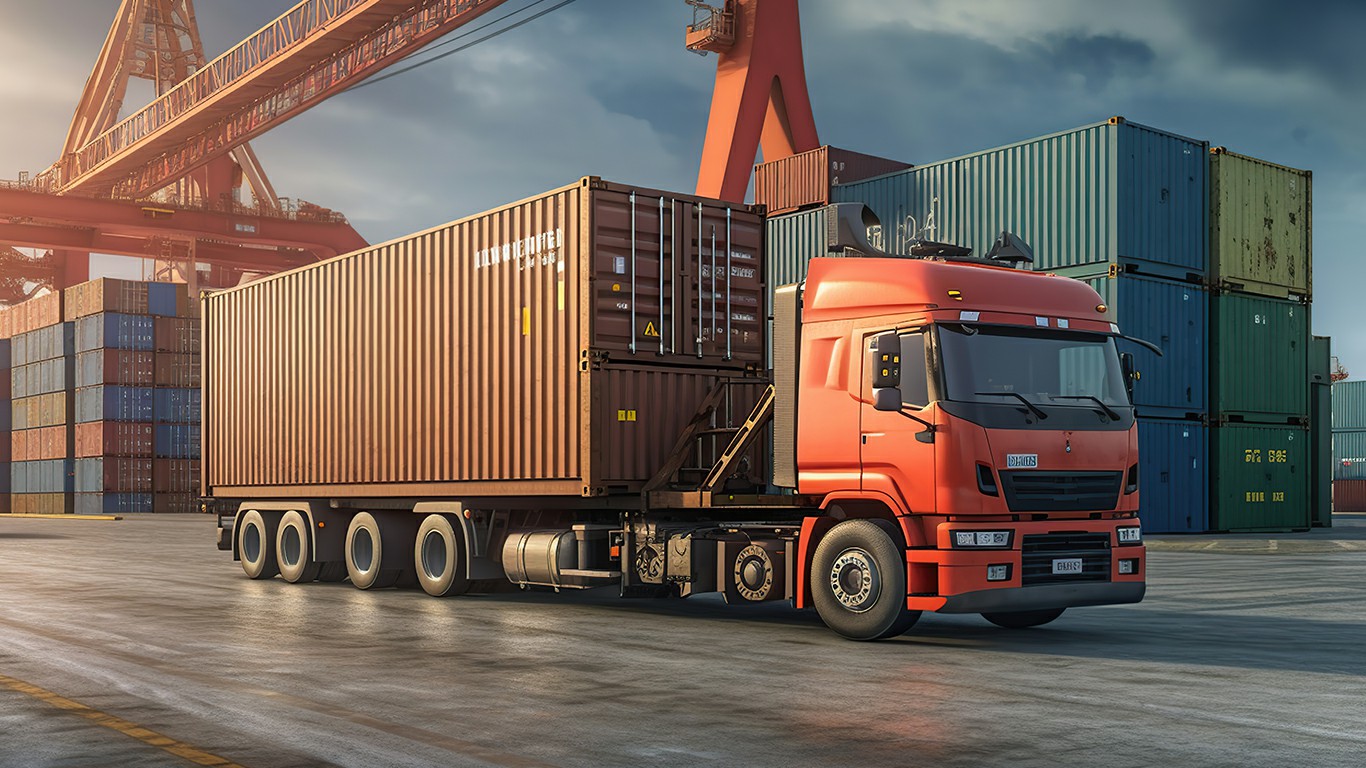 Condensation buildup inside shipping containers is a major cause of cargo damage worldwide
Container rain, also known as container sweating, refers to the accumulation of moisture inside shipping containers due to temperature fluctuations during transit. When warm, humid air inside a container meets the cooler metal walls, it condenses into water droplets — which then drip down onto the cargo below, much like rain. The results can be devastating: rust, mold, packaging damage, and product spoilage.
"Container rain is one of the leading causes of cargo damage in international sea freight — yet it is entirely preventable with the right moisture control strategy."
— INPAT Technical Advisory TeamWhy Does Container Rain Happen?
The primary driver of container rain is temperature differential. During a long sea voyage, a container passes through multiple climate zones — from tropical heat to cold ocean air. As the container cools overnight or when moving into colder regions, the relative humidity inside rises sharply. When the air becomes saturated beyond its dew point, condensation forms on the container's steel ceiling and walls.
Additionally, moisture trapped within wooden pallets, cardboard packaging, and even the cargo itself can evaporate and contribute to the internal humidity levels — amplifying the risk of condensation damage.
What Cargo Is Most at Risk?
While any goods shipped in a container can be affected, the following cargo types are especially vulnerable to container rain:
- Food products — rice, coffee, cocoa, dried fruits, and packaged goods
- Machinery and metal components — susceptible to rust and corrosion
- Electronics and automotive parts — sensitive to moisture-induced short circuits
- Furniture and textiles — prone to mold and mildew growth
- Pharmaceuticals and chemicals — requiring strict humidity control
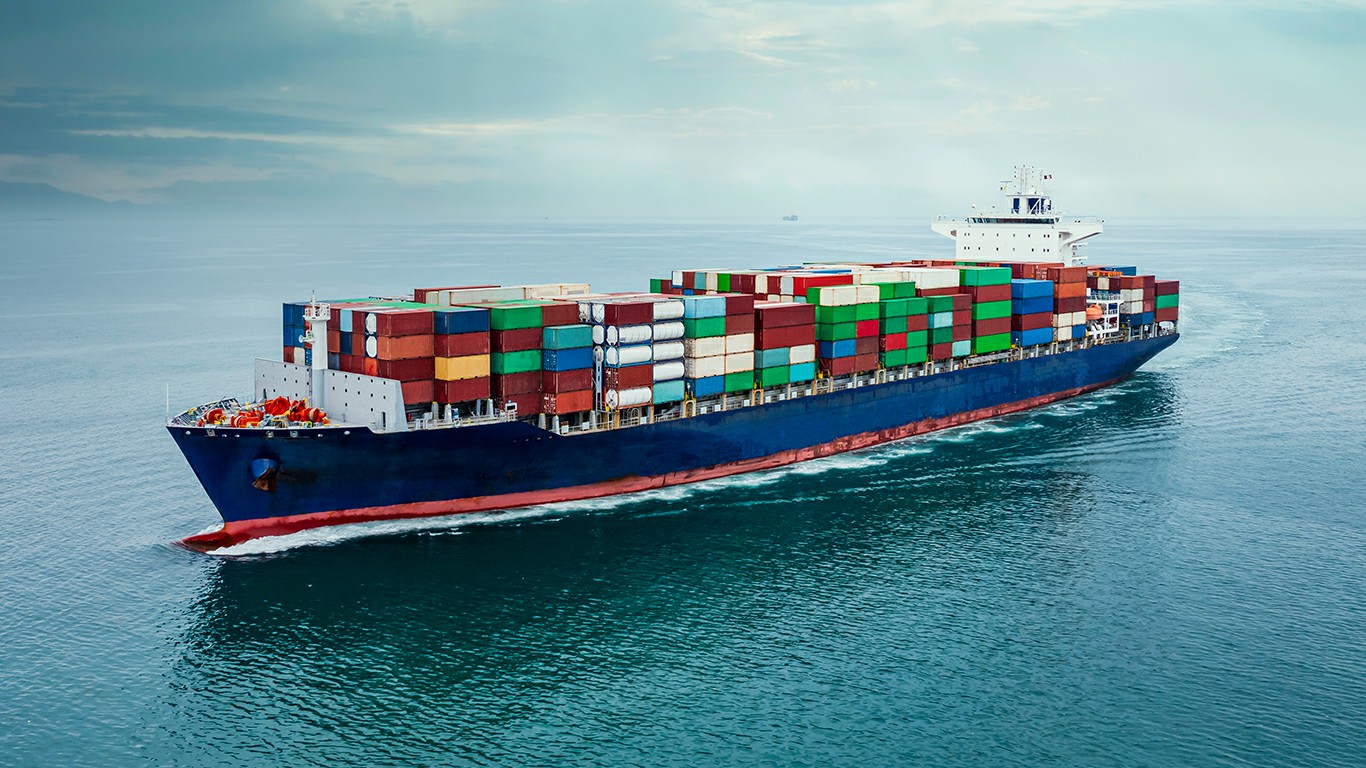 INPAT Dry Max container desiccants actively absorb moisture before condensation can form
How to Prevent Container Rain
The most effective and proven method to prevent container rain is the use of container desiccants. Products like INPAT Dry Max are hung inside the container and actively absorb ambient moisture from the air throughout the voyage — preventing humidity from reaching the dew point and eliminating the conditions that cause condensation.
A comprehensive moisture control strategy should also include:
- Using dry wooden pallets with low moisture content
- Ensuring cargo is properly packaged and sealed before loading
- Avoiding loading in rain or high-humidity conditions
- Selecting the correct desiccant quantity based on container size and voyage duration
For a free container rain risk assessment and product recommendation, contact our team or email vishal@inpat.in.